01 / Refill systems
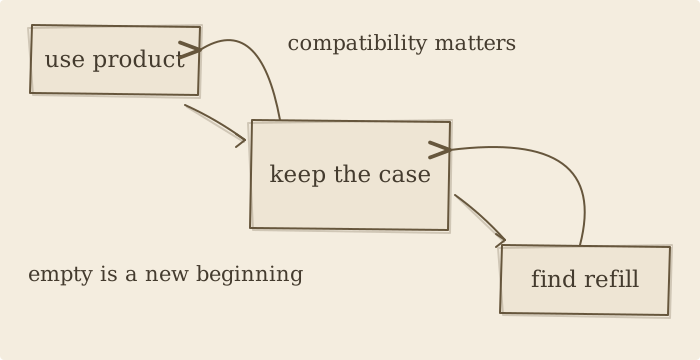
A refill system is designed at the second purchase
The permanent case gets the photograph. Compatibility, replenishment, and the empty-state experience determine whether it stays in use.
A notebook for looking closer
Ten field notes on the decisions behind everyday products. Each one pairs a specific design question with a sketch and objects from the collection.
01 / Refill systems
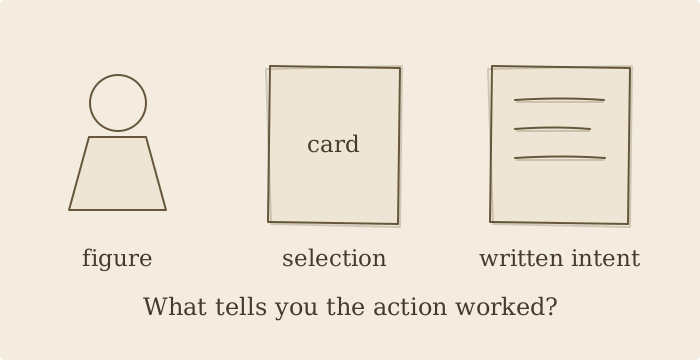
The permanent case gets the photograph. Compatibility, replenishment, and the empty-state experience determine whether it stays in use.
02 / Solid & waterless
Replacing a bottle with a bar removes one container—and introduces a storage problem between uses.
03 / Compact objects
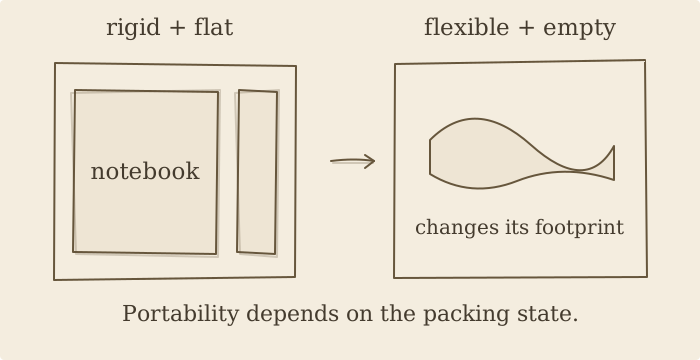
Capacity is only one dimension of portability. The unused spaces around an object can matter just as much.
04 / Concentrates
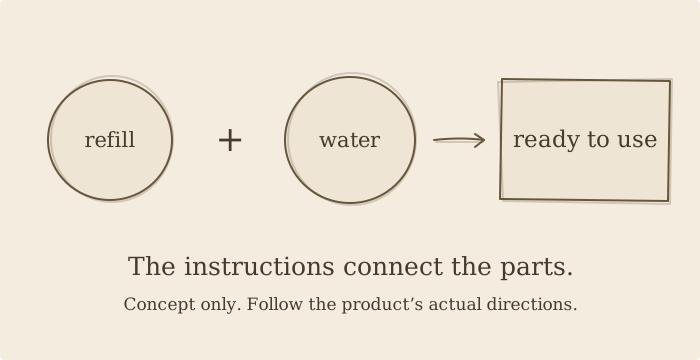
When a product ships without its final dilution, mixing instructions become part of its physical design.
05 / Reuse
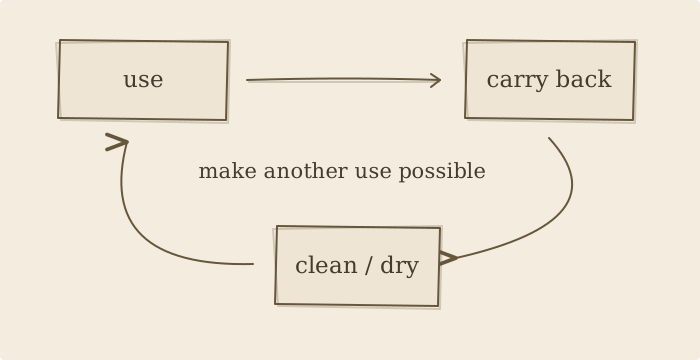
The first use is half the story. Carrying, cleaning, drying, and remembering create the next use.
06 / Screen-free
Removing a display shifts work to objects, labels, sound, and memory. Those choices deserve the same scrutiny as an app.
07 / Transformation
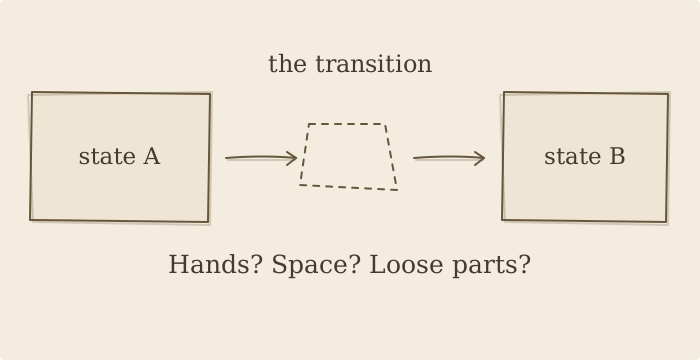
The tote and the backpack are easy to photograph. The transition is where the design earns its place.
08 / Modularity
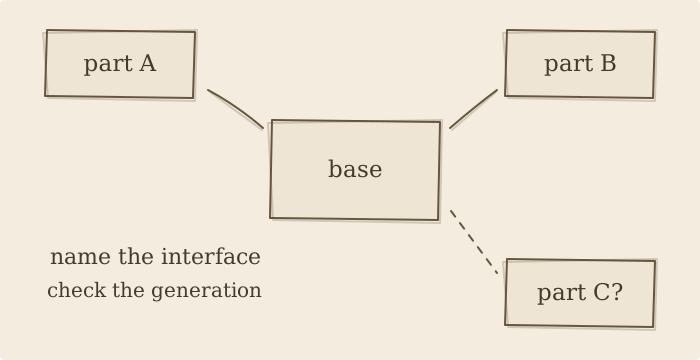
A growing collection of parts is useful only if people can tell what connects—and what will still connect later.
09 / Materials
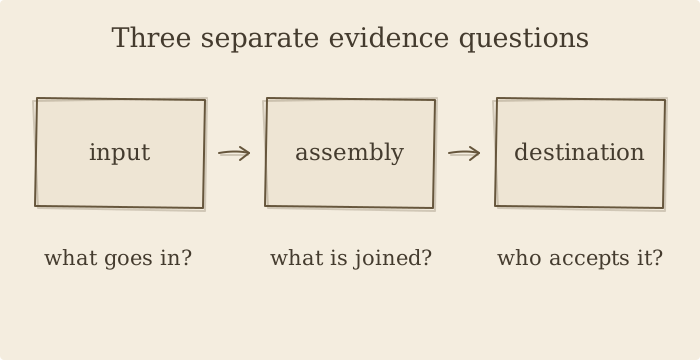
An unusual input material and a workable end-of-life route are different claims. A good product page separates them.
10 / Design critique
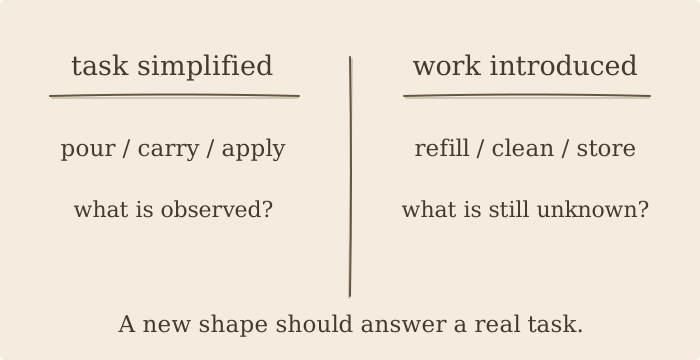
A simple test for product novelty: identify the behavior that changes, then identify the burden that comes with it.
These essays offer design analysis, not product reviews or buying rankings. Each article explains its evidence limits and links to the catalog records and brand references behind it.