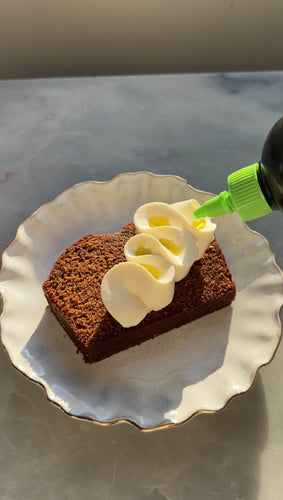
Graza makes the purchase decision legible through a pair of verbs. The recipe example then uses both oils in the roles suggested by their names, so the content teaches the assortment rather than merely showing an appetizing meal. Refill cans add a second-purchase behavior around the recognizable bottle. The creative strength is the connection between packaging, language and use, not a claim to have invented a squeeze bottle.
The work
product · Observed 2026-10-13
Sizzle and Drizzle
The bottle collection separates cooking oil from finishing oil using the names Sizzle and Drizzle, and sells them together as a duo.
Our reading. The pair teaches a useful distinction before a shopper reads a technical explanation. The name becomes an instruction at the stove.
The review does not test oil quality or establish that task-based naming is unprecedented.
Source: graza.co. Reviewed 2026-10-13. Publication date not established; observation date is not a launch date.
packaging · Observed 2026-10-13
A can for the next purchase
Graza offers a Drizzle refill can to replenish the squeeze bottle.
Our reading. The refill keeps the original dispensing object in use and gives repeat purchase a visible format. It connects merchandising to the routine.
The existence of creator content does not establish its reach or sales impact.
Source: graza.co. Reviewed 2026-10-13. Publication date not established; observation date is not a launch date.
What to learn from it
Replace a technical product taxonomy with customer tasks, then make tutorials use those exact tasks. Make the second purchase as intentional as the first.
The trade-off
Task-based naming is easy to imitate. The selected recipe and creator credit show a content format, not evidence that customers co-design the range.
Both use a repeatable voice in a consumable category. Graza keeps the content close to the usage occasion; Liquid Death lets it become stand-alone entertainment.
Both design for replenishment. Graza refills a dispenser; Blueland asks customers to dissolve a tablet. This comparison concerns the routine, not environmental superiority.
Why this score
Each dimension uses a 0–4 anchor. The total is weighted and rounded once. Read the method →
Product or experience originality 3/4 · 25% weight
A task-based pair and refill format make choosing and reordering easier to understand.